
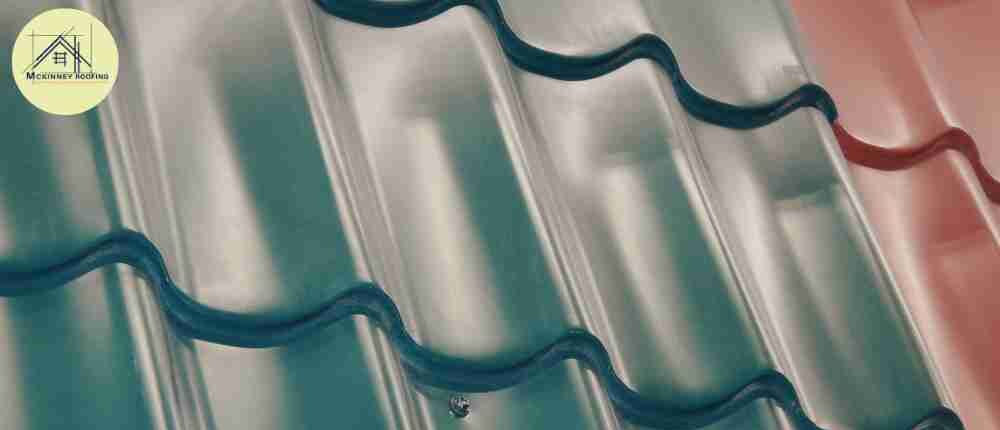
Investing in a metal roof is a major decision for any homeowner. Metal roofs are known for their long lifespan, durability, and energy efficiency, making them a popular choice despite a higher upfront cost.
On average, homeowners can expect to pay between $5,700 and $17,700 for a new metal roof, depending on material, labor, and roof size.
While the initial investment may seem steep compared to asphalt shingles, metal roofs offer long-term value through low maintenance, resistance to weather damage, and potential energy savings.
Choosing the right type of metal, panel style, and paint system can significantly impact the total cost. Understanding the factors that influence pricing ensures homeowners can make informed decisions and select a metal roof that aligns with their budget and functional needs.
Why Understanding Metal Roof Costs Matters
Installing a metal roof is a significant investment, often costing more upfront than traditional asphalt shingles. Understanding the factors that influence pricing helps homeowners make informed decisions and avoid unexpected expenses.
Material choice, panel style, and roof size directly impact the total cost, while labor, underlayment, and trim add additional considerations.
Steeper or more complex roofs increase installation challenges, raising labor costs. Knowing these variables allows you to compare options effectively, select the right type of metal for your budget and needs, and plan for long-term savings.
Proper planning ensures your new roof delivers durability, energy efficiency, and aesthetic appeal, maximizing both functionality and return on investment over its lifespan.
What Influences the Cost of a Metal Roof?
The cost of a metal roof varies depending on material, panel style, roof size, and labor. Premium metals, roof complexity, and regional labor rates affect the total. Additional factors like fasteners, underlayment, and trim also contribute. Evaluating these variables ensures a balanced budget and long-term value.
Material Type
Metal roofing costs differ widely by material. Aluminum panels typically range from $4 to $11 per square foot, offering a budget-friendly option. Copper panels, in contrast, cost $15 to $30 per square foot.
Steel, tin, and zinc provide mid-range alternatives, balancing affordability, durability, and aesthetic appeal for various homeowners’ needs.
Roof Size and Complexity
The size and design of a roof heavily influence costs. Larger roofs need more materials, raising expenses, while complex styles like hips, dormers, or multi-level structures increase labor requirements.
Installation on steep or irregular surfaces may add 15%–35% to the overall cost due to added time and specialized equipment.
Metal Roof Costs by Material
- Aluminum: $4–$11 per sq. ft.
- Steel (Galvalume/Galvanized): $2–$16 per sq. ft.
- Copper: $15–$30 per sq. ft.
- Tin: $5–$12 per sq. ft.
- Zinc: $6–$12 per sq. ft.
Other cost variables include the paint system, panel thickness (gauge), and fastener type. SMP paint finishes are more affordable but may fade sooner, while PVDF finishes are more durable and vibrant.
Standing seam or concealed fastener panels are more expensive than exposed fastener corrugated panels due to installation complexity.
Labor and Installation Costs
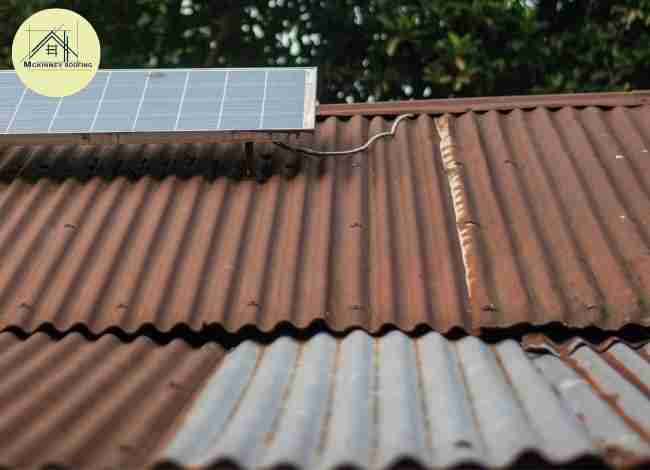
Labor makes up the majority of the total cost, averaging around 60% of the project. Labor costs depend on contractor experience, regional wages, roof complexity, and whether the project involves reroofing or a full replacement.
Steeper pitches, irregular shapes, or multi-level roofs increase labor requirements. Additional costs may include old roof removal, decking repair, permits, and underlayment.
Hiring a skilled professional ensures proper installation, protects warranties, and reduces the risk of leaks or damage. DIY installation is possible for small, simple roofs with exposed fastener panels but is generally not recommended due to safety risks and potential warranty voiding.
Additional Cost Factors
Metal roof pricing can also be affected by roof pitch, gauge, underlayment, and fastener type. Higher gauge metal panels are thicker, more durable, and more expensive.
Underlayment options range from felt paper to high-heat synthetic materials. Hidden fasteners, used in standing seam roofs, add to labor and material costs.
Steeper roofs may require safety equipment, further increasing labor charges. Adding snow guards, rails, or insulation can also impact the overall price.
Considering all these variables allows homeowners to plan their budget realistically and choose the right combination of materials and labor to balance durability, aesthetics, and affordability.
Comparing Metal Roof Panel Types
Choosing the right metal roof panel affects both cost and performance. Panel style determines durability, installation complexity, and overall appearance.
Understanding the differences between options, such as corrugated and standing seam panels, helps homeowners select a solution that balances budget, longevity, and aesthetic appeal for their property.
Corrugated Panels
Corrugated metal panels are lightweight, affordable, and easy to install, making them a practical choice for barns, sheds, and smaller projects.
They perform well under normal conditions but may need extra attention in extreme weather, such as heavy hail or high winds, to prevent damage or panel displacement over time.
Standing Seam Panels
Standing seam panels feature concealed fasteners, requiring precise installation and higher upfront costs. In return, they provide superior durability, weather resistance, and a sleek, modern look.
Ideal for long-term residential use, these panels minimize maintenance needs and offer enhanced protection against leaks, expansion, and harsh environmental conditions.
Roof Component Costs
Metal roofs include materials beyond panels. Key components include underlayment, trim, and flashing. Underlayment ranges from $1–$1.50 per sq. ft., with synthetic options providing longer warranties.
Trim costs vary based on panel type: exposed fastener panels add about 25% of panel costs, while standing seam panels can increase trim costs by 30–40%.
Properly accounting for these components is essential to understand the full expense and avoid surprises during installation.
Estimated Metal Roof Cost by Home Size
Here’s a general guideline based on a simple gable roof:
| Home Size (sq. ft.) | Average Cost Range |
|---|---|
| 1,000 | $6,000–$45,000 |
| 1,500 | $9,000–$67,500 |
| 2,000 | $12,000–$90,000 |
| 2,500 | $15,000–$112,500 |
| 3,000 | $18,000–$135,000 |
These estimates include materials, labor, and standard roof components but may vary based on complexity, metal type, and local labor costs.
FAQs
Can I install a metal roof over shingles?
While technically possible, installing a metal roof over existing shingles is not recommended. Moisture can become trapped between layers, leading to mold growth, structural damage, and potential leaks. Removing the old shingles ensures proper ventilation and long-term roof performance.
Does a metal roof increase home value?
- Provides an ROI of roughly 60%
- Improves curb appeal and energy efficiency
- Attracts buyers with long warranties and durability
How noisy is a metal roof in the rain?
Modern metal roofs are designed with insulation and underlayment that minimize sound. When properly installed, the noise from rain or hail is subtle and comparable to traditional roofing materials. Proper spacing and secure fastening further reduce any unwanted sound issues.
Can I DIY a metal roof installation?
DIY installation is only feasible for small, simple roofs using basic panels. It requires proper safety equipment, roofing experience, and familiarity with metal installation techniques. Professional installation is recommended to avoid voiding warranties and prevent costly mistakes or leaks.
Final Thoughts
Metal roofs are a premium roofing option that offers long-term benefits, including durability, energy efficiency, and aesthetic appeal.
While the upfront cost can range widely depending on material, labor, roof size, and panel type, many homeowners find the investment worthwhile for the low maintenance and longevity they provide.
Choosing the right metal, panel style, and professional installation ensures your roof will protect your home for decades.
Budgeting for labor, underlayment, and additional components helps avoid surprises, while selecting the proper paint system and gauge maximizes performance and value. With proper planning, a metal roof can be a durable, stylish, and financially sound choice for any home.