
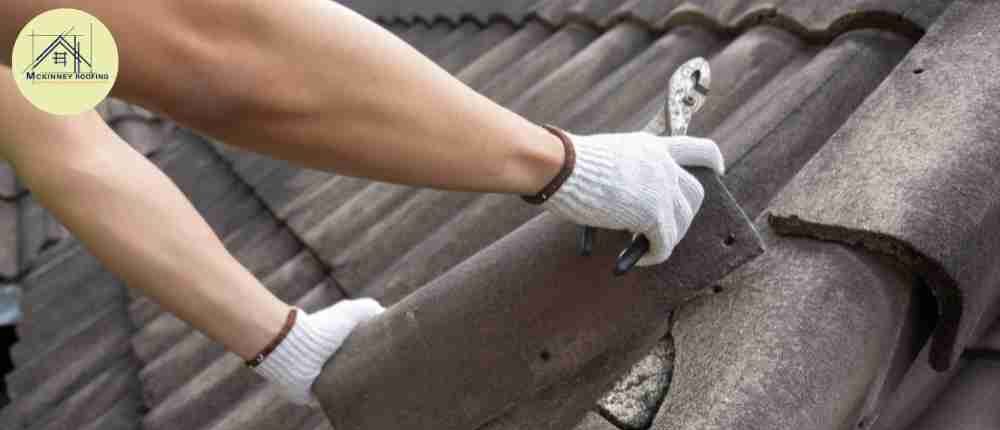
A leaky roof can quickly turn a small problem into a major headache. From water stains on ceilings to damp insulation and mold growth, even minor leaks can cause serious damage to your home. Identifying the source early and taking prompt action is crucial. Whether it’s damaged shingles, worn flashing, or plumbing vents, knowing how to detect and repair leaks can prevent costly repairs.
While some small issues can be handled as DIY projects, certain repairs like structural damage or multiple leaks require a professional touch. By understanding common causes, spotting early warning signs, and learning temporary fixes, homeowners can safeguard their property, maintain structural integrity, and avoid the frustration of repeated water damage.
Hidden Roof Trouble Zones
Leaks can start in places that aren’t immediately obvious. Certain areas of your roof endure more stress, weather, and wear. By focusing on these vulnerable spots, you can catch problems early, minimize damage, and prevent costly repairs. Key areas include shingles, flashings, vents, skylights, chimneys, and gutter edges.
Inspecting Shingles and Roof Surface
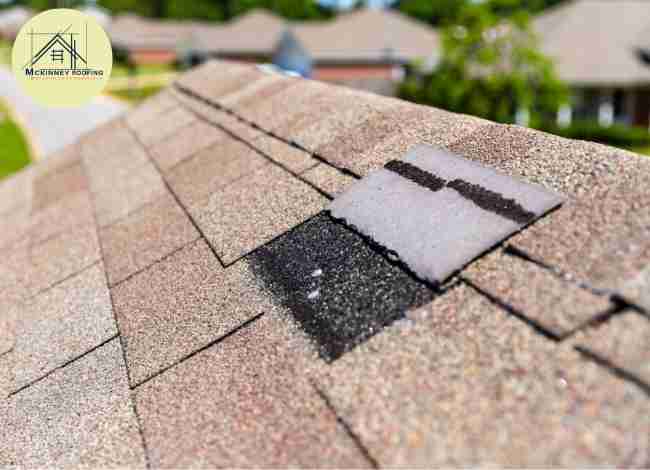
Shingles are the first line of defense for your roof. Check for cracks, curling edges, or missing shingles. Damaged shingles allow water to seep underneath, compromising the roof deck. Replacing or patching these promptly prevents small leaks from becoming major issues, keeping your roof structurally sound and weather-resistant.
Examining Flashing and Seals
Flashing protects roof joints, skylights, and chimneys from water intrusion. Over time, it can loosen, rust, or develop gaps. Inspect all flashings carefully. Minor cracks can be sealed with roofing cement, while larger issues may require a professional to replace flashing and restore a watertight seal.
Checking Vents, Boots, and Roof Penetrations
Plumbing vents, exhaust vents, and other roof penetrations often develop cracks or worn rubber boots. These small openings let water into your home. Temporary fixes, like sealant or a new vent boot, can prevent leaks until a permanent repair is made, safeguarding your roof and interior from water damage.
Temporary DIY Fixes for Small Roof Leaks
- Apply roofing cement or sealant to small cracks and holes.
- Slide new shingles over damaged areas and fasten securely with nails.
- Use adhesive or rubber boots around roof vents for a watertight seal.
- Clean gutters and downspouts to prevent overflow and backflow.
- Inspect flashing and seal gaps with roofing cement to prevent water infiltration.
- Remove debris like twigs, leaves, or dirt to maintain proper water flow.
These temporary fixes provide immediate relief, but long-term solutions often require professional assessment and repair, particularly for older or storm-damaged roofs.
Step-by-Step Roof Leak Repair Process
Fixing a leak yourself requires careful planning and safety measures:
- Locate the leak by inspecting the attic, ceiling, and roof exterior.
- Gather materials: new shingles, roofing nails, roofing cement, putty knife, and flashing.
- Remove damaged shingles carefully, preserving surrounding areas.
- Apply sealant to fill small gaps or cracks.
- Install replacement shingles and flashing, ensuring proper overlap.
- Cover exposed nails with roofing cement to prevent water entry.
Following these steps ensures minor leaks are addressed efficiently and reduces further water damage.
When to Call a Professional Roofer
DIY repairs are ideal for small, isolated leaks, but professionals are needed for:
- Multiple leaks or widespread roof damage
- Leaks near chimneys, skylights, or roof valleys
- Suspected damage to roof decking or structural components
- Persistent leaks despite temporary fixes
Professional roofers have the expertise to diagnose hidden issues, perform lasting repairs, and handle insurance claims when storm or hail damage occurs.
Signs You Need a Roofer
Even with DIY attempts, some situations demand professional help. Structural issues, recurring leaks, steep roofs, or hail damage are red flags. Ensuring your roof is repaired correctly prevents repeated water intrusion and protects your home’s structural integrity.
Choosing the Right Roofer
Look for licensed, insured, and bonded contractors. Check reviews, ask for recommendations, and request a written contract. This ensures reliable work, clear expectations, and protection in case of unexpected issues during repairs.
Recommended Materials for Roof Leak Repairs
Selecting durable materials improves the longevity of your repair:
- Asphalt shingles: affordable and easy to replace; ensure impact-rated for long-term durability.
- Roofing cement or sealant: ideal for small cracks and gaps, particularly around shingles, flashing, and vents.
- Flashing: metal or step flashing for roof-to-wall transitions and window edges.
- Rubber vent boots: prevent water from entering around roof penetrations.
- Roof nails: corrosion-resistant for secure shingle installation.
Using high-quality materials designed for your climate prevents recurring leaks and reduces future maintenance costs.
Roof Leak Repair Cost Estimates
Repair costs depend on damage severity and roof type. Typical estimates:
- Minor repairs: $200–$800 (few shingles, small leaks, or flashing seal).
- Moderate repairs: $800–$1,500 (multiple leaks, underlayment damage, flashing replacement).
- Major repairs / partial replacement: $1,500–$4,000+ (extensive water damage, structural issues).
Insurance may cover storm-related damage, but normal wear and tear is usually excluded. Obtaining a written estimate ensures transparency and avoids surprise expenses.
| Repair Type | Estimated Cost | Notes |
|---|---|---|
| Minor Repairs | $200–$800 | Single leaks, small shingle replacement |
| Moderate Repairs | $800–$1,500 | Multiple leaks, flashing, underlayment |
| Major Repairs | $1,500–$4,000+ | Partial roof replacement, structural repair |
| Insurance Coverage | Varies | Storm damage may be covered |
FAQs
Can I fix a roof leak myself?
Yes, you can handle small leaks on your own by applying roofing cement or replacing a few damaged shingles. However, larger, complex, or hidden leaks require professional expertise to ensure the repair is safe, thorough, and long-lasting.
What’s the best sealant for roof leaks?
Roofing cement or a flexible waterproof sealant works best for most roof leaks. Around vents, chimneys, and flashing, installing rubber vent boots adds an extra layer of protection. Proper sealing prevents water intrusion and protects the roof deck from further damage.
How much does a roof leak repair cost?
Minor repairs, like a few shingles or small patching, typically cost $200–$800. Moderate repairs involving multiple leaks or flashing replacement range from $800–$1,500. Extensive damage requiring partial roof replacement will cost more, depending on materials, labor, and location.
Does homeowners insurance cover roof leaks?
Insurance often covers roof damage caused by storms, hail, or other sudden events. Normal wear and tear, aging shingles, or poor maintenance are usually not covered. Always review your policy and document damage before filing a claim for coverage.
Final Thoughts
Fixing a leaky roof promptly prevents costly water damage, mold growth, and structural issues. While DIY repairs can address minor leaks, most homeowners benefit from professional inspections and repairs, especially for older or storm-damaged roofs. Properly installed shingles, flashing, and vent seals, along with high-quality sealants, ensure lasting protection.
Regular maintenance and early detection save both money and stress, keeping your home safe, dry, and structurally sound. Investing in expert repairs and durable materials is the best way to maintain peace of mind and protect your property from unpredictable weather and long-term roof deterioration.